Andrew Lake Lodge
Fort McMurray, Alberta
Fly-in outfitter operating three lodges and outpost camps on remote lakes in northeastern Alberta and the Northwest Territories.
Overview
Andrew Lake Lodge & Camps is a fly-in outfitter operating in the extreme northeast corner of Alberta, near the borders of the Northwest Territories and Saskatchewan. The operation is run by Dan, who grew up in the tourism and outfitting business working with his family in wilderness adventure. Over the years the operation expanded into additional lakes, including the purchase and development of Lynx Tundra Lodge on the edge of the tree line in the Northwest Territories.
The outfitter operates three primary lodge and camp destinations: Andrew Lake (the main lodge), South Leland Lake (an outpost camp), and Lynx Tundra Lodge on Lynx Lake in the NWT. The region is Alberta's sole connection to the Canadian Shield, characterized by granite rock outcroppings and over 100 lakes. All locations are fly-in only, with no roads, trails, or cut-lines accessing any of the properties.
Highlights
The Fishing
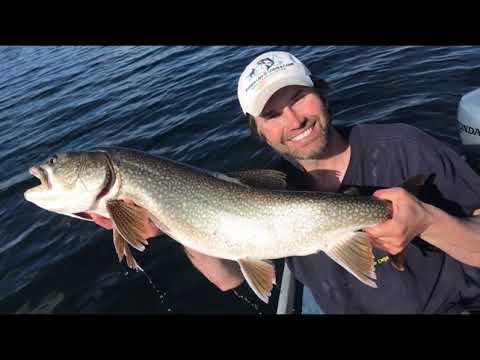
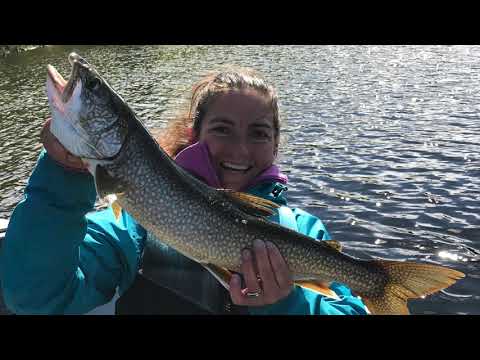
The primary target species across the three lakes are Northern Pike, Lake Trout, Walleye, and Arctic Grayling. Andrew Lake holds a provincial trophy designation, a status granted by the Alberta government where unusually large fish are found in abundant numbers, and is the only lodge permitted on the lake. Andrew Lake is a larger, deeper body of water favored for lake trout, with average sizes of 3 to 8 pounds and trophy-class fish in the 20 to 30-plus pound range also landed. South Leland Lake offers the widest species variety, with lake trout, pike, and walleye all available, including trophy-class pike over 40 inches. Lynx Tundra Lodge, on the most remote lake, is the best destination for lake trout and Arctic grayling, with grayling action found in the surrounding rivers.
All lakes are self-guided by default, with guests using included boats and motors to explore on their own schedule. The operation encourages catch and release, particularly for larger fish, and freezing facilities are available for fish guests wish to take home. Lake trout move into the shallows each spring and fall, requiring different techniques depending on the time of season, while trophy Northern Pike have been landed throughout the open-water season from late May through September.
Accommodations
At Andrew Lake, the main lodge is constructed from hand-crafted logs and features a commercial kitchen, dining and lounge area, tackle shop, laundry facilities, hot and cold running water, showers, flush toilets, and electrical power. Private guest cabins accommodate 2 to 4 guests each and are equipped with electricity, running water, and kitchens. An A-Frame building on the lake offers space for up to 16 people with satellite internet, Wi-Fi, and TV. Full-service packages with all meals provided are available on select dates; otherwise, guests cook for themselves in their cabin kitchens. At South Leland Lake, the outpost camp runs on a light housekeeping basis with three cabins accommodating up to 12 guests and no staff based on-site. Lynx Tundra Lodge offers private cabins with kitchens, showers, and generator and solar-powered electricity, plus a central lodge building with a lounge area.
Fish Species
What They Offer
Amenities available at one or more of this outfitter's properties.
Getting There
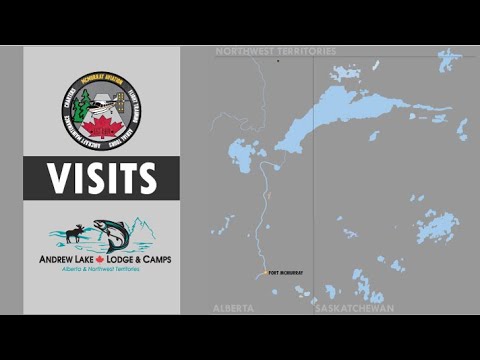
All three lodge destinations are accessible by charter flight only. The primary staging points are Fort Smith, NWT (approximately 100 km from Andrew Lake, a roughly 25-minute charter flight) and Fort McMurray, Alberta (approximately 400 km away, a roughly 1 hour 45-minute charter flight). Flights depart from Fort McMurray Airport via McMurray Aviation, with some connecting through Fort Chipewyan by floatplane. Flights from Fort Smith depart from the Reliance Airways floatplane base. Andrew Lake also has a private 3,400-foot gravel and grass airstrip, allowing charter flights by both floatplane and wheel plane, and private pilots are welcome to fly in directly. Lynx Lake is served mainly by floatplane from Fort Smith or Yellowknife.
Access:
Air bases:
Spot an error on this page or have a suggestion?