How to Book a Return Trip Before You Leave Camp
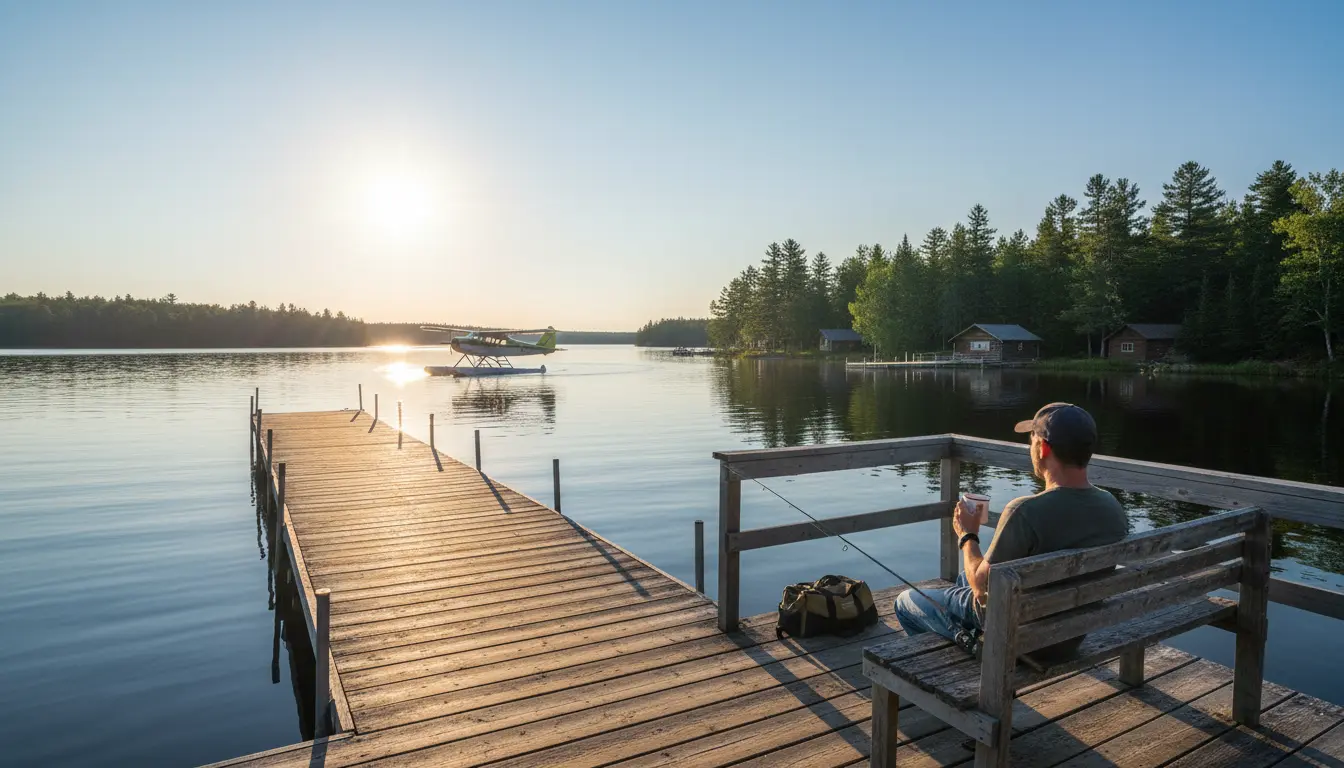
The last morning of a fly-in trip is always a bittersweet reality check. You’re sitting on the dock, the coffee is still hot in your mug, and the lake is a sheet of glass. Then, you hear it, the distant, low hum of the DeHavilland Otter coming to pick you up. In an hour, you’ll be off the water, and by evening, you’ll be back in a world of traffic lights, emails, and cell service.
It’s right then, as the plane circles the bay, that every angler makes the same vow: “We have to come back next year.”
But here’s the catch: by the time you get home, unpack the gear, and get back into the grind, that commitment starts to slip. The group chat goes quiet. Life gets in the way. If you want to ensure you’re back on that dock next season, the best time to book your return trip isn’t when you get home, it’s before you even leave camp. How do you lock in your spot and keep the momentum going?
Here is how to handle your re-booking like a pro to ensure you never miss a season in the North.
1. Understand the “Right of First Refusal”
In the world of fly-in fishing, there is an unwritten rule (and often a written one,) the right of first refusal. Most outfitters give the group currently in camp the first shot at booking those same dates for the following year.
- Don’t Lose Your Week: If you love the second week of June because the walleye are stacked in the shallows, remember that someone else wants that week too. If you don’t re-up before you fly out, that week goes on the open market.
- The Waiting List is Real: Prime weeks, late May through early July, are often booked far in advance. Booking on-site is the only way to “own” a prime slot in the calendar.
2. Have the “State of the Union” Talk
On the second-to-last night, usually over a final fish fry or a few drinks by the fire, you need to have a serious conversation with your group. Don’t wait until the plane is idling on the dock.
What to Iron Out:
- The Roster: Is everyone in for next year? If someone is wavering, do you have a bench of friends waiting for an invite?
- The Budget: Does the current price point still work for everyone?
- The Lake: Do you want to return to this exact cabin, or do you want to ask the outfitter about another lake in their system to mix it up?
The Secret: Get a firm “yes” from the core group while the memories of trophy pike and shore lunches are still fresh. It’s a lot harder to get a commitment in November when everyone is staring at a snowbank.
3. Talk to the Camp Manager or Pilot
Communication is key. Whether you are at a full-service lodge or a remote outpost, the staff needs to know your intentions early.
Questions to Ask:
- Can we hold these dates? Most outfitters will let you pencil in your name for the same week next year with a handshake or a small intent.
- Is there a re-booking incentive? Some outfitters offer legacy pricing”, holding the current year’s rate for the next season if you book before you depart.
- What’s the deposit deadline? Know exactly when the soft hold becomes a hard booking. Usually, you’ll have a few weeks after returning home to mail the check, but the commitment happens at the dock.
4. Lock in the Grandfathered Pricing
Inflation hits everything, aviation fuel, boat motors, groceries. Outfitter prices generally creep up every year or two. One of the biggest perks of booking on-site is that many owners will honor the current season’s rate for returning guests who commit early.
- Save Money: Even a $100 per person increase adds up for a group of eight. Booking early is the best way to hedge against rising travel costs.
- Budgeting Made Easy: When you know the price and the date a year in advance, you can set aside a little each month. It makes the final payment much less painful.
5. The Power of Anticipation
There is a psychological benefit to booking early that most anglers overlook. The “post-trip blues” are a very real thing. You spend months dreaming about the trip, and then suddenly, it’s over.
When you book before you leave, you don’t have that empty feeling on the flight home. Instead, you’re already talking about what lures you’ll bring next year, which reef you want to hit first, and how you’re going to finally land that 40-inch pike that snapped your line on Tuesday.
The “365-Day Countdown”: Having a date on the calendar gives you something to look forward to all winter long. It makes the tackle prep and the map studying feel productive rather than nostalgic.
Final Word: Don’t Let the Sun Set on Your Spot
The trip home shouldn’t be a goodbye, it should be filled with anticipation for next year. There is a special kind of excitement that comes with knowing your name is already on the ledger for next June. You’ve found the lake, you’ve learned the structure, and you’ve built the bond with your crew. Don’t leave it just hoping for a trip next year...but knowing you'll be there!
Whether you’re chasing the sunset on a glassy Ontario lake or watching the northern lights from a porch in Manitoba, the best trip is always the next one. Talk to your outfitter, check in with your buddies, and pull the trigger before you pack the bags. You’ll never regret having one more adventure on the books. So stop wondering if you’ll be back, and make sure of it.
A Quick Checklist for the Dock:
- Confirm the dates (check the calendar for holiday shifts).
- Ask about any planned upgrades to the camp (new boats, solar power, etc.).
- Get the deposit details in writing or a confirmation email.
- Take one last photo of the group on the dock to kick off next year’s countdown.
Search Blog
- What Fishing Pressure Looks Like on Road Access Lakes vs Fly-In Lakes August 01, 2026
- Picaridin vs DEET July 25, 2026
- Wildfire impact - maps and resources July 17, 2026
- Trophy Pike: How to Find and Land a Northern Over 40 Inches June 06, 2026
- The Best Bug-Protection Plan for Wilderness Fishing April 18, 2026
- Brook Trout in the Backcountry: Chasing Specks on Fly-In Waters January 03, 2026
- What Your Outfitter Wishes You Knew Before You Arrived December 13, 2025
- Shore Lunch: The Best Meal You Will Ever Eat November 29, 2025
- How to Catch 100 Walleye in a Day November 22, 2025
- How to Book a Return Trip Before You Leave Camp November 14, 2025
- Planning a Budget-friendly Fly-in Trip Without Cutting Corners November 08, 2025
- Floatplane 101: What It's Like to Fly Into the Bush for the First Time October 25, 2025
- How to Quickly Locate Fish on a Remote Lake October 11, 2025
- Lodge vs Outpost Trips - the big picture September 27, 2025
- 8 Steps to Plan a Canadian Fly-In Fishing Trip September 06, 2025