Floatplane 101: What It's Like to Fly Into the Bush for the First Time
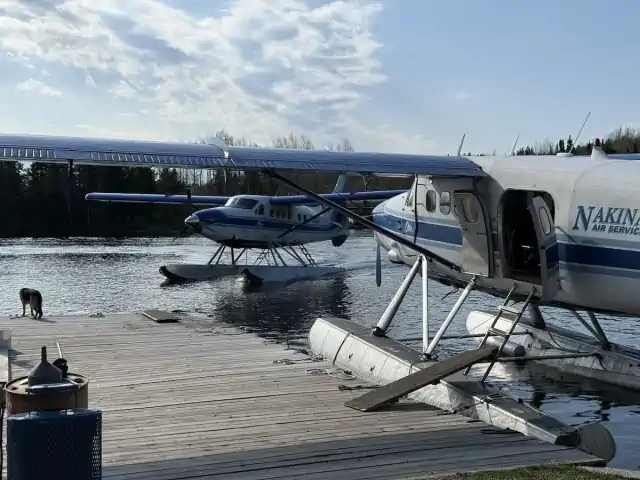
You’ve packed your gear, driven for days, and finally made it to the floatplane base. The smell of pine needles and aviation fuel hangs in the air. For a lot of anglers, the fishing is only half the draw of a Canadian fly-in trip. The other half? The flight itself.
If you’ve never climbed into the cabin of a De Havilland Beaver or Otter, you are in for a treat. It’s nothing like commercial flying. It’s loud, it’s visceral, and it is the ultimate gateway to the wilderness. Here is what you can expect on your first flight into the bush.
1. The Weigh-In
Before you get near the airplane, you have to face the scale. Floatplanes have strict weight limits, and the pilot calculates every single pound. This isn’t a suggestion, it’s a matter of physics and safety.
- Your Gear: Expect a limit of around 100–125 lbs per person. That includes your clothes, tackle, rods, sleeping bag, and your share of the groceries. Yes, that flat of beer counts against your weight.
- Your Body Weight: Yes, you will likely be asked your weight, or asked to step on the scale yourself. Don’t lie. The pilot needs an accurate total to balance the aircraft and calculate fuel.
- The Purge: It’s common to see first-timers frantically unpacking their duffel bags on the dock, leaving behind extra jeans and canned goods. Pack light, and leave the heavy cases at home.
Once the gear is weighed, the dockhands will load the plane. You’ll watch them stuff coolers into the floats and slide rod tubes into the belly. Then, it’s your turn.
2. Climbing Aboard
Getting into a floatplane is more like climbing into a lifted pickup truck than boarding a commercial jet. You’ll step onto the float, grab a handle, and hoist yourself into the cabin.
Inside, it’s utilitarian. Exposed metal, rugged seats, and headsets hanging from the ceiling. It feels like a working machine, because it is. If you’re lucky, you might get to ride shotgun in the co-pilot seat. It’s the best view in the house, offering a front-row look at the instrument panel and the horizon.
When the pilot hits the starter, you’ll feel it in your chest. The radial engine coughs, sputters, and roars to life. Put your headset on, it’s about to get loud.
3. The Takeoff and Flight
Commercial jets push you back in your seat. A floatplane pulls you forward. The pilot will taxi out, line up with the wind, and push the throttle forward. The plane plows through the water, building speed until it gets “on the step”, skimming the surface with minimal drag.
And then, almost imperceptibly, the bumping stops. You are airborne.
What You’ll See From the Air
- Endless Water: You suddenly realize why Canada is a fisherman’s paradise. Lakes, rivers, and bogs stretch out in every direction. It’s more water than land, a massive jigsaw puzzle of blue and green.
- The True Wilderness: Roads disappear. Powerlines vanish. The only signs of civilization are the occasional logging camp or distant smoke from a forest fire. You are flying over country where humans simply don’t live.
- Wildlife: Keep your eyes glued to the window. It’s common to spot moose wading in shallow bays or black bears picking their way across rocky ridges. If you’re flying low enough, you might even see the splash of a massive pike taking off from the shallows.
Don’t be surprised if the ride gets a little bumpy. Floatplanes fly lower than commercial jets, right in the zone where warm air rises off the land and creates thermals. Just tighten your seatbelt, trust the pilot, and enjoy the rollercoaster. The flight might be 20 minutes, or it might be an hour and a half. Either way, you’ll spend the entire time staring out the window, pointing at potential fishing spots, and wondering if anyone has ever cast a lure into that nameless lake below.
4. The Landing
When the engine pitch changes and the nose dips, your heart rate will spike. Your lake is coming into view.
Bush pilots are incredibly skilled. They read the wind on the water, looking at the ripples and waves to determine the safest approach. The plane banks sharply, dropping over the tree line. The tops of the pines seem close enough to touch.
A good floatplane landing is smoother than rolling onto a freshly paved highway. The floats kiss the water, the drag instantly slows the plane down, and the roar of the engine drops back to a low rumble as you taxi toward a tiny wooden dock in the middle of nowhere.
5. The Drop-Off
This is the moment it all becomes real. The dockhands (or just you and your group, if it’s an outpost) tie off the plane and quickly unload the gear. The pilot shakes your hand, climbs back in, and fires up the engine.
You stand on the dock and watch the plane roar across the lake, lift off, and bank away over the trees. The sound of the engine slowly fades into a low hum, and then... absolute silence.
No cars. No sirens. No cell phone pings. Just the wind in the trees, the lapping of water against the dock, and the realization that for the next week, this piece of the wilderness belongs entirely to you.
Final Word:
The floatplane ride isn’t just a taxi service, it’s a rite of passage. It’s the exact mechanism that strips away the stress of your daily life and drops you squarely into the present moment. The smell of the fuel, the roar of the engine, and that first step onto a remote wilderness dock are memories that will stick with you long after the fish are caught. If you’ve spent years talking about “someday” flying into the Canadian bush, don’t let another season pass you by. Gather your friends, find an outfitter, and get your gear on the scale. So stop dreaming, and start planning.
Search Blog
- What Fishing Pressure Looks Like on Road Access Lakes vs Fly-In Lakes August 01, 2026
- Picaridin vs DEET July 25, 2026
- Wildfire impact - maps and resources July 17, 2026
- Trophy Pike: How to Find and Land a Northern Over 40 Inches June 06, 2026
- The Best Bug-Protection Plan for Wilderness Fishing April 18, 2026
- Brook Trout in the Backcountry: Chasing Specks on Fly-In Waters January 03, 2026
- What Your Outfitter Wishes You Knew Before You Arrived December 13, 2025
- Shore Lunch: The Best Meal You Will Ever Eat November 29, 2025
- How to Catch 100 Walleye in a Day November 22, 2025
- How to Book a Return Trip Before You Leave Camp November 14, 2025
- Planning a Budget-friendly Fly-in Trip Without Cutting Corners November 08, 2025
- Floatplane 101: What It's Like to Fly Into the Bush for the First Time October 25, 2025
- How to Quickly Locate Fish on a Remote Lake October 11, 2025
- Lodge vs Outpost Trips - the big picture September 27, 2025
- 8 Steps to Plan a Canadian Fly-In Fishing Trip September 06, 2025