Planning a Budget-friendly Fly-in Trip Without Cutting Corners
If you’ve priced out a Canadian fly-in fishing trip lately, you might have felt a sudden urge to clutch your wallet. The pristine lakes, the roaring floatplanes, the untouched wilderness—it all sounds perfect until you see the price tag. But does an epic wilderness adventure really have to drain your savings?
Absolutely not. You can experience the trip of a lifetime without taking out a second mortgage. A world-class fly-in trip is entirely achievable on a realistic budget—if you know where to save and where to spend. You don’t need to cut corners on the fishing, the safety, or the memories. Here is how to plan a budget-friendly trip that still delivers the ultimate Canadian wilderness experience.
1. Choose an Outpost Over a Lodge
This is the single biggest way to slash your expenses. If you want to save money, you need to be willing to do a little work.
- The DIY Discount: Full-service lodges are amazing, but you are paying for cooks, guides, housekeepers, and a massive logistics network. An outpost camp strips all of that away. You get a remote cabin, boats, motors, and a lake entirely to yourself. You are the guide, the chef, and the camp manager.
- Total Freedom: Not only is an outpost significantly cheaper, but you also get to set your own schedule. Want to eat breakfast at noon and fish until midnight? Nobody is stopping you.
If you have some basic boating experience and don’t mind frying your own walleye, an outpost is the clear choice for the budget-conscious angler.
2. Maximize Your Group Size
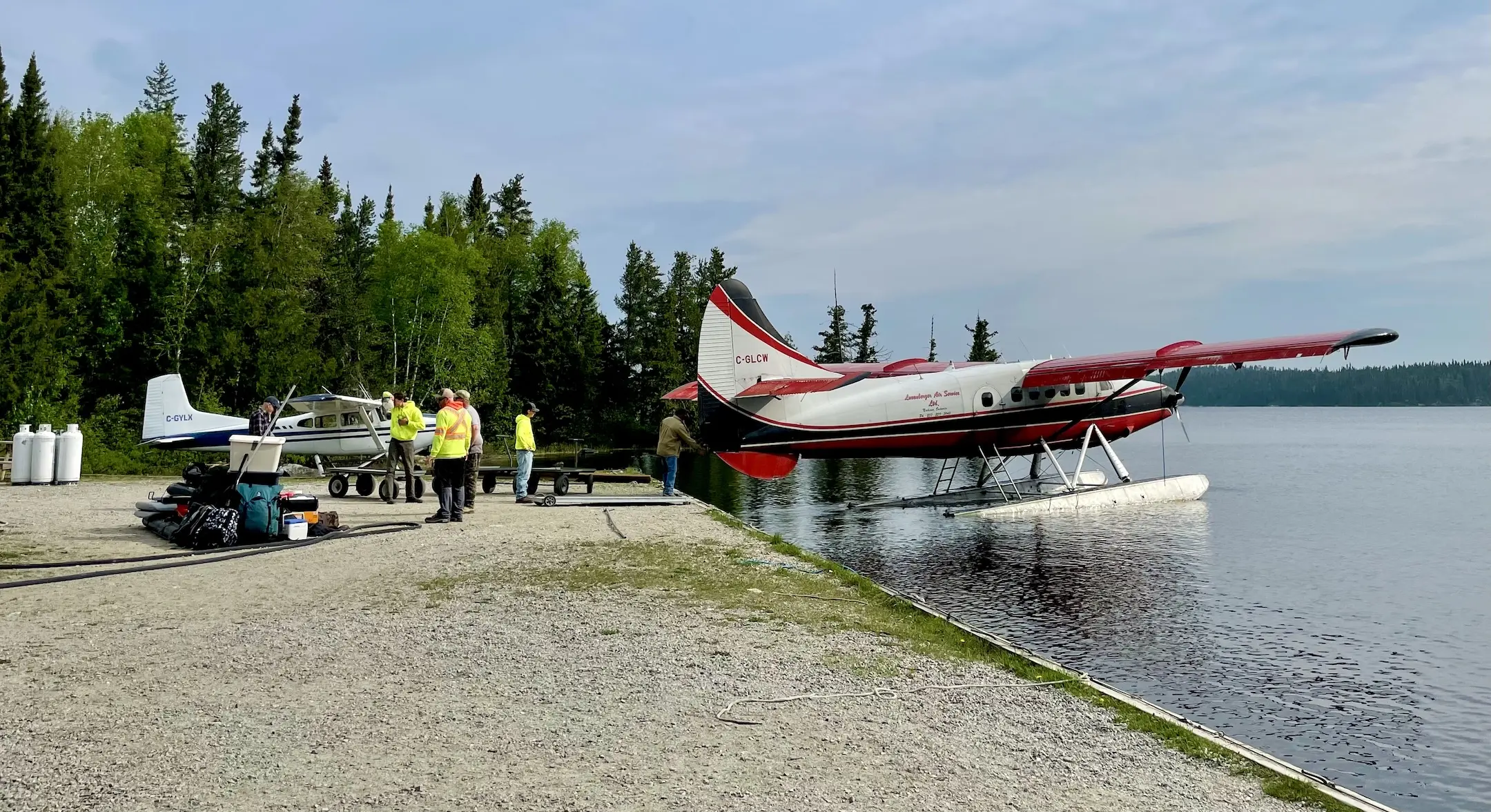
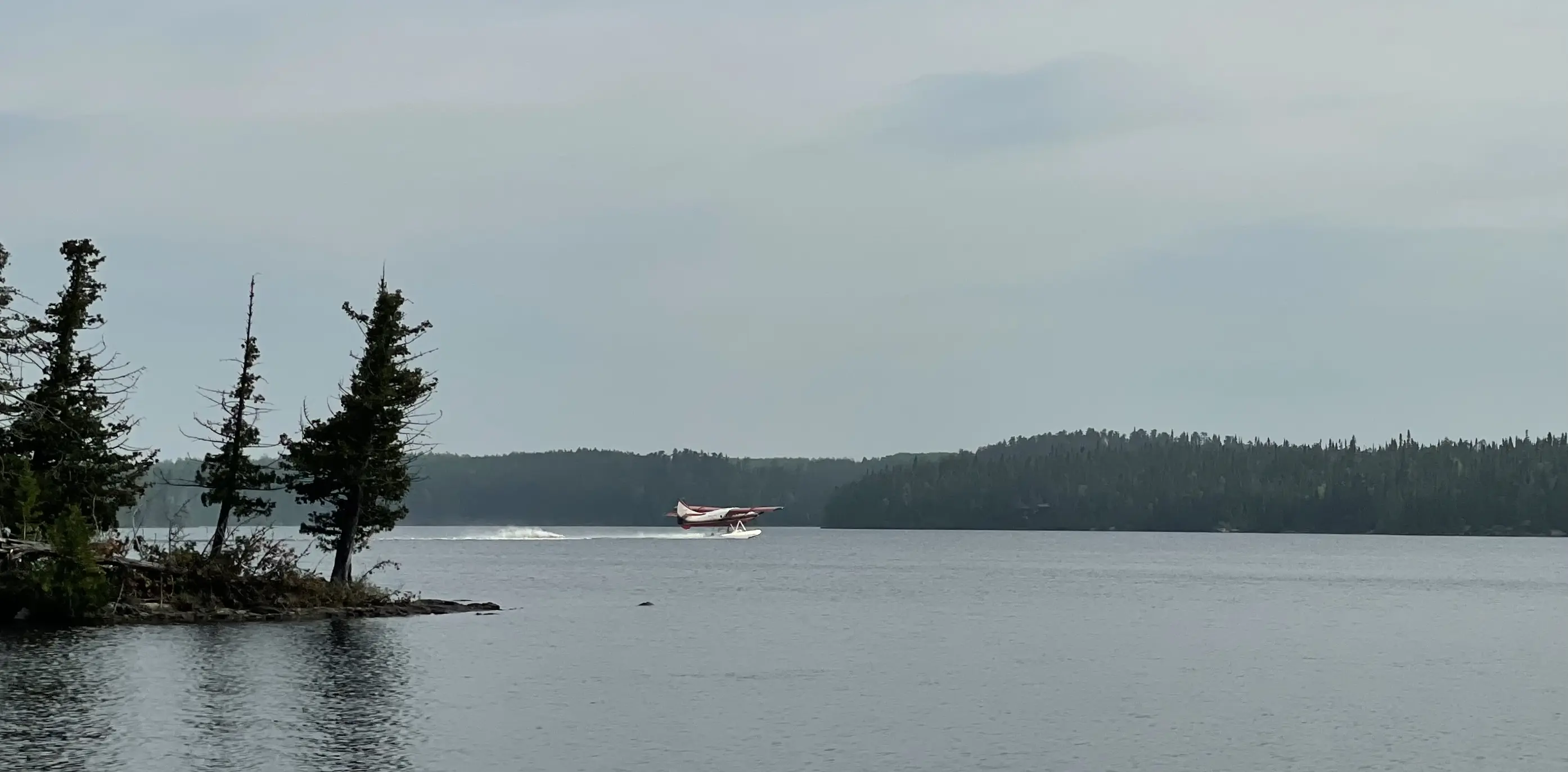
Floatplanes don’t fly for free. In fact, aviation fuel and aircraft maintenance are the biggest expenses for any northern outfitter. When you book a fly-in trip, you are effectively chartering that aircraft for your group.
- Fill the Cabin: Find out exactly how many bunks the cabin has, and max out your group size. Most outfitters provide tiered pricing based on the number of people in your group. This is because your flight is a major cost for the outfitter—if the plane holds six people and you only bring four, someone has to pay for two empty seats.
- Split the Fixed Costs: Groceries, gas for the drive up, and bait are all cheaper when split among a full crew. Get a solid commitment from your fishing buddies and fill every bunk in that cabin to drive the per-person cost to the lowest level.
3. Drive More to Fly Less
Because floatplane time is so expensive, the length of your flight directly impacts the cost of your trip.
If you choose an outfitter based just across the US border, they might have to fly you for an hour and a half to get past the crowded waters and into truly remote, unpressured territory. That flight time adds up fast. Instead, put some extra miles on your truck.
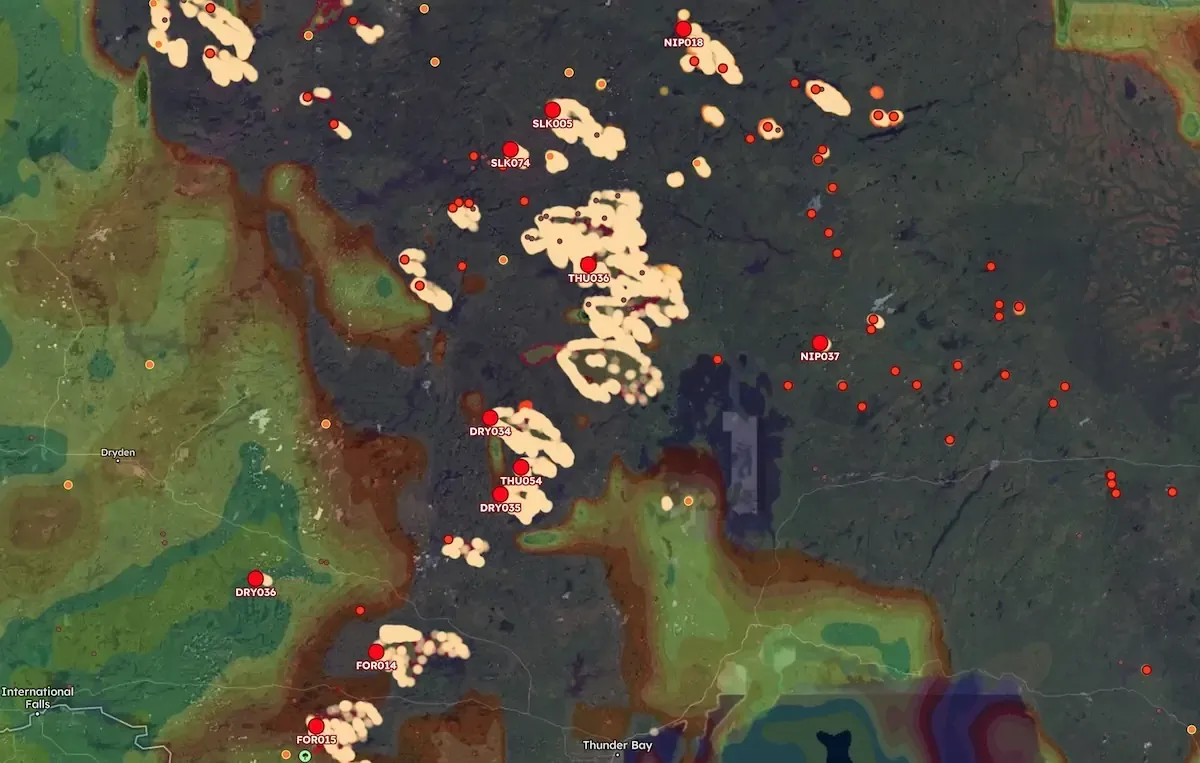
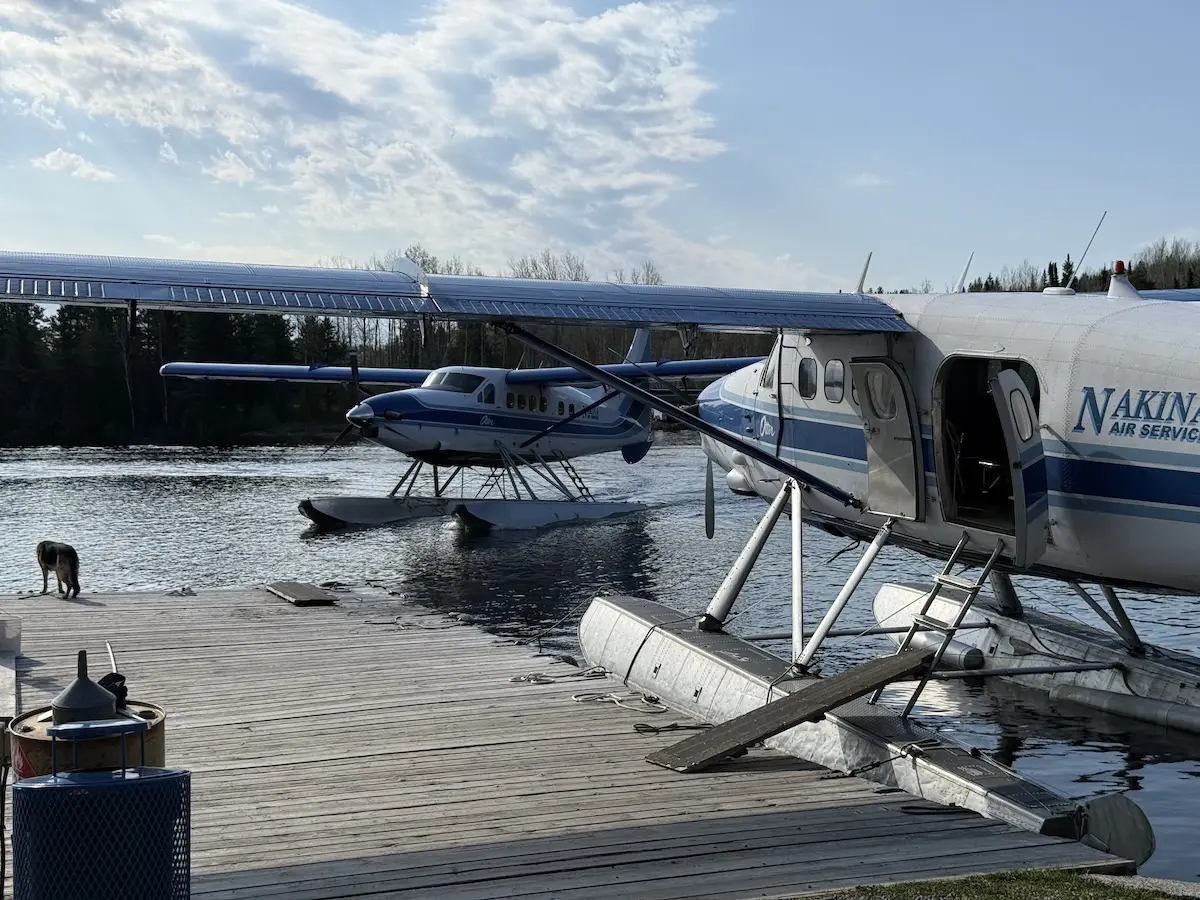
Drive further north and east to jump-off points like Sioux Lookout or Nakina. By driving deeper into the bush on your own dime, your floatplane flight might only be 20 minutes to reach world-class fishing. Gas for your truck is always going to be cheaper than aviation fuel for a DeHavilland Beaver.
4. Stay to the East
For whatever reason, fly-in prices rise as you travel from east to west across Ontario.
If you go with an outfitter north of Sault St Marie, on the east end of Lake Superior, you'll pay a fraction of the price that you would north of International Falls. Yes, you will be a little less remote, but the fishing is still fantastic, you can still have a lake to yourself, and you will likely save $500 per person!
Take a look at options to the east near the towns of Blind River, Cochrane, Wawa, or Nakina. Check the price list carefully, many of these outfitters price in Canadian dollars, which could be at a 25% or more discount. By staying in the eastern portion of Ontario, you can potentially save on gas as well as your outpost. As a bonus, some of the camps in this area also offer fantastic trout fishing in addition to the walleye and pike.
5. Master the DIY Meal Plan
When you stay at an outpost, you bring your own food. This is a massive opportunity to save, but it requires smart planning and a bit of discipline.
- Skip the Pre-Packaged Meals: Outfitters sometimes offer food packages where they buy and pack your groceries. It’s incredibly convenient, but you pay a premium for the service.
- Plan a Menu: Create a strict meal plan and buy your groceries at home or at a large supermarket on the drive up. Avoid heavy canned goods that eat up your flight weight allowance.
- Eat Your Catch: The best meal in Canada is fresh walleye or pike, and it’s completely free. Plan for shore lunches and fish fries to cover several of your dinners. Just make sure you bring plenty of cooking oil, breading, and a backup plan (like pasta, rice, or sausage in case the fish get a little stubborn one evening.
6. Target the Shoulder Seasons
Everyone wants to go to Canada in June. The weather is warming up, the bugs haven’t peaked yet, and the walleye are practically jumping into the boat. Because it’s prime time, it’s also the most expensive time.
If your schedule is flexible, look at the shoulder seasons. Many outfitters offer discounted rates for late August or September trips. Yes, the mornings might be frosty, and you might need to hunt a little harder for fish that have moved to deeper structures, but the lakes are just as beautiful, and the fish are even a bit bigger as they have had the full season to grow. Plus, the mosquitoes and blackflies are usually dead by September—a massive, itch-free bonus.
7. Avoid the “Trophy Lake” Premium
Outfitters often charge top dollar for lakes that are known to produce massive, record-breaking fish. While everyone dreams of holding up a 45-inch pike for the camera, you have to ask yourself what kind of trip you really want.
If you are perfectly happy catching 50 to 100 solid, eating-sized walleye a day and battling plenty of mid-sized pike, you don’t need to pay the premium for a renowned trophy destination. Many smaller, lesser-known lakes offer incredible action and sheer volume at a fraction of the price. The action on these budget-friendly lakes is often fast and furious, which is perfect for keeping your group entertained from dawn until dusk.
8. Pack Smart
A fly-in trip generally comes with a strict weight limit for your gear. One of the quickest ways to rack up additional costs is to show up overweight.
For an outpost trip, a typical weight limit will be approximately 100–125 lbs per person. Overweight baggage fees or the cost of chartering a second plane for your gear will instantly destroy your budget. Coordinate with your group so you don’t bring four filet knives, three heavy tackle boxes full of lures you won’t use, and cases of wtaer, soda, and beer. Pack light, share communal gear, and stick to the essentials.
Final Word:
The fish don’t care how much you paid for your trip. They don’t know if you’re staying in a luxury lodge with a private chef or a rustic, off-grid outpost where you have to chop your own firewood. A Canadian fly-in fishing trip is about the raw adventure, the untouched wilderness, and the thrill of the bite. The sounds of nature on your very own lake, the first strike on a glassy morning, and the laughter of friends around the campfire… that’s what you’ll remember. So stop dreaming—and start planning.
