The Best Bug-Protection Plan for Wilderness Fishing
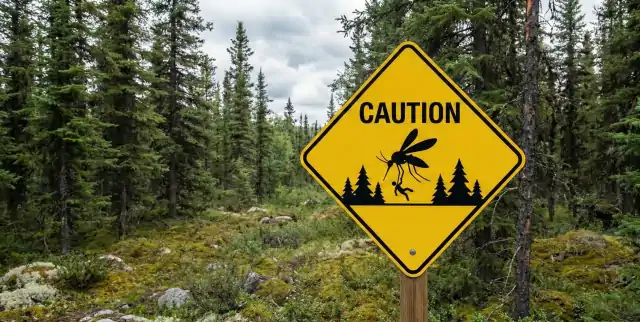
If you’re heading to a remote fly-in lodge or outpost camp in Canada, you’re in for the adventure of a lifetime, untouched lakes, unbelievable fishing, and pure solitude. But you’re also flying directly into the heart of prime bug country. Blackflies, mosquitoes, horseflies, no-see-ums, and ticks thrive in these environments, especially early and mid-summer.
Fortunately, with the right system, you can stay comfortable and fully focused on fishing, not swatting or scratching. Here’s the best, most reliable bug-protection strategy for fishermen, built around simple steps that work well in the most remote wilderness locales.
1. Work Around Peak Bug Activity
Fly-in camps sit deep in the bush, meaning bug cycles are more intense than what most people are used to. Timing matters.
When Bugs Are Worst
-
Dawn and dusk, especially in May–July.
-
Shaded shorelines, creek mouths, and back bays.
-
Warm, humid evenings with no wind.
Smart Adjustments for Fly-In Guests
-
Plan your trip for late summer/early fall if you are particularly sensitive to bugs.
-
Enjoy a slower morning—coffee, sunrise photos, breakfast—then hit the water after peak feeding.
-
Fish out in open water or windswept points during calmer bug-heavy periods.
-
Save back-bay casting for times when wind picks up.
-
Plan shore lunches on exposed points, beaches, or islands where a breeze keeps bugs down.
This small bit of planning dramatically reduces swarms and makes your on-water time far more enjoyable. Unfortunately, there will be times when the fish and bugs are biting at the same time and place, so you'll need to focus on the steps below.
2. Wear Lightweight Long Pants and Sleeves With a Hood
Clothing is your primary shield against bugs, especially when you’re miles from civilization and can’t simply go inside whenever bugs flare up.
What to Pack for a Fly-In Trip
-
Lightweight, breathable nylon pants
-
UPF-rated long-sleeve fishing shirts
-
Hooded sun shirts
-
Tight-weave fabrics (bugs can bite through loose knits)
-
Fingerless fishing gloves if your hands get chewed up easily
Every long-time angler will tell you that covering up is easier and more comfortable than constantly reapplying spray in all but the warmest weather. pants and sleeves also protect you from the intense sun while you're on the water and minimize the need to slather yourself with slimy sunscreen or risk a nasty sunburn.
3. Treat Clothing With Permethrin Before Your Trip
Once you’re at a fly-in lodge or outpost, you want to maximize your time. Preparing clothing ahead of time pays huge dividends.
Note: Permethrin is for pre-treating clothing; do not apply it to your skin. Apply permethrin in a well-ventilated area. Permethrin is toxic to cats and cold-blooded animals in its liquid form.
Why Permethrin Is Great for Remote Trips
-
It repels and kills mosquitoes, blackflies, horseflies, and ticks on contact.
-
It turns your clothing into a bug barrier without adding weight or heat.
-
One treatment lasts for weeks/months.
How to Prep Before Your Trip
-
Buy a bottle of 0.5% Permethrin spray for fabrics.
-
Treat pants, shirts, socks, hats—anything you plan to wear outdoors.
-
Let everything dry at home before packing.
Pre-treating your wardrobe is one of the biggest upgrades you can make to repel bugs. When the deerflies are buzzing around your head, it's comforting to know the moment they land on your hat the clock starts ticking and they only have minutes to live. Even better, with permethrin-treated boots, socks, and pants it's nearly guaranteed that any ticks will be dead long before they could attach to you.
4. Apply Picaridin Bug Spray to Exposed Skin
Permethrin covers your clothing. Picaridin is great for protecting exposed skin. It works as well as DEET and does so without the greasy mess and gear-dissolving side effects.
Why Picaridin Works So Well in the Bush
-
It protects against both mosquitoes and blackflies—crucial in Canada.
-
It isn’t greasy, smelly, or damaging to plastics.
-
It lasts several hours (with 20% concentration).
Where to Apply
-
Hands and wrists
-
Neck and ears
-
Face (spray your hands, and dab on your face)
-
Ankles and any uncovered areas
A quick application before you head out each morning is usually enough, with a touch-up before the evening bite if you're staying on the water late.
Your Simple Bug-Proof Routine
For fishermen and any other outdoorsmen, this routine is easy to follow and extremely effective:
-
Plan your fishing spots around bug activity when possible—wind is your friend, avoid brushy shorelines and shallow back bays.
-
Dress in long pants and sleeves, preferably with a hood.
-
Wear Permethrin-treated clothing every day.
-
Apply 20% picaridin to exposed skin before heading out.
Bonus tips
-
Wear a headnet or bug suit if you’re sensitive and the bugs are intolerable.
-
Use a Thermacell in your boat, by the campfire, etc. when the air is calm.
-
Treat your outhouse and cabin door with permethrin at the beginning of your trip to limit bugs waiting to get inside.
Stay Bite-free and Enjoy Every Minute
Fly-in adventures offer some of the best fishing and most pristine wilderness you’ll ever experience, but biting insects can limit your enjoyment. Using this system will help you stay comfortable, protected, and focused on the fishing, with bugs becoming a minor inconvenience instead of a constant battle on your outdoor adventure.
Search Blog
- What Fishing Pressure Looks Like on Road Access Lakes vs Fly-In Lakes August 01, 2026
- Picaridin vs DEET July 25, 2026
- Wildfire impact - maps and resources July 17, 2026
- Trophy Pike: How to Find and Land a Northern Over 40 Inches June 06, 2026
- The Best Bug-Protection Plan for Wilderness Fishing April 18, 2026
- Brook Trout in the Backcountry: Chasing Specks on Fly-In Waters January 03, 2026
- What Your Outfitter Wishes You Knew Before You Arrived December 13, 2025
- Shore Lunch: The Best Meal You Will Ever Eat November 29, 2025
- How to Catch 100 Walleye in a Day November 22, 2025
- How to Book a Return Trip Before You Leave Camp November 14, 2025
- Planning a Budget-friendly Fly-in Trip Without Cutting Corners November 08, 2025
- Floatplane 101: What It's Like to Fly Into the Bush for the First Time October 25, 2025
- How to Quickly Locate Fish on a Remote Lake October 11, 2025
- Lodge vs Outpost Trips - the big picture September 27, 2025
- 8 Steps to Plan a Canadian Fly-In Fishing Trip September 06, 2025