Brook Trout in the Backcountry: Chasing Specks on Fly-In Waters
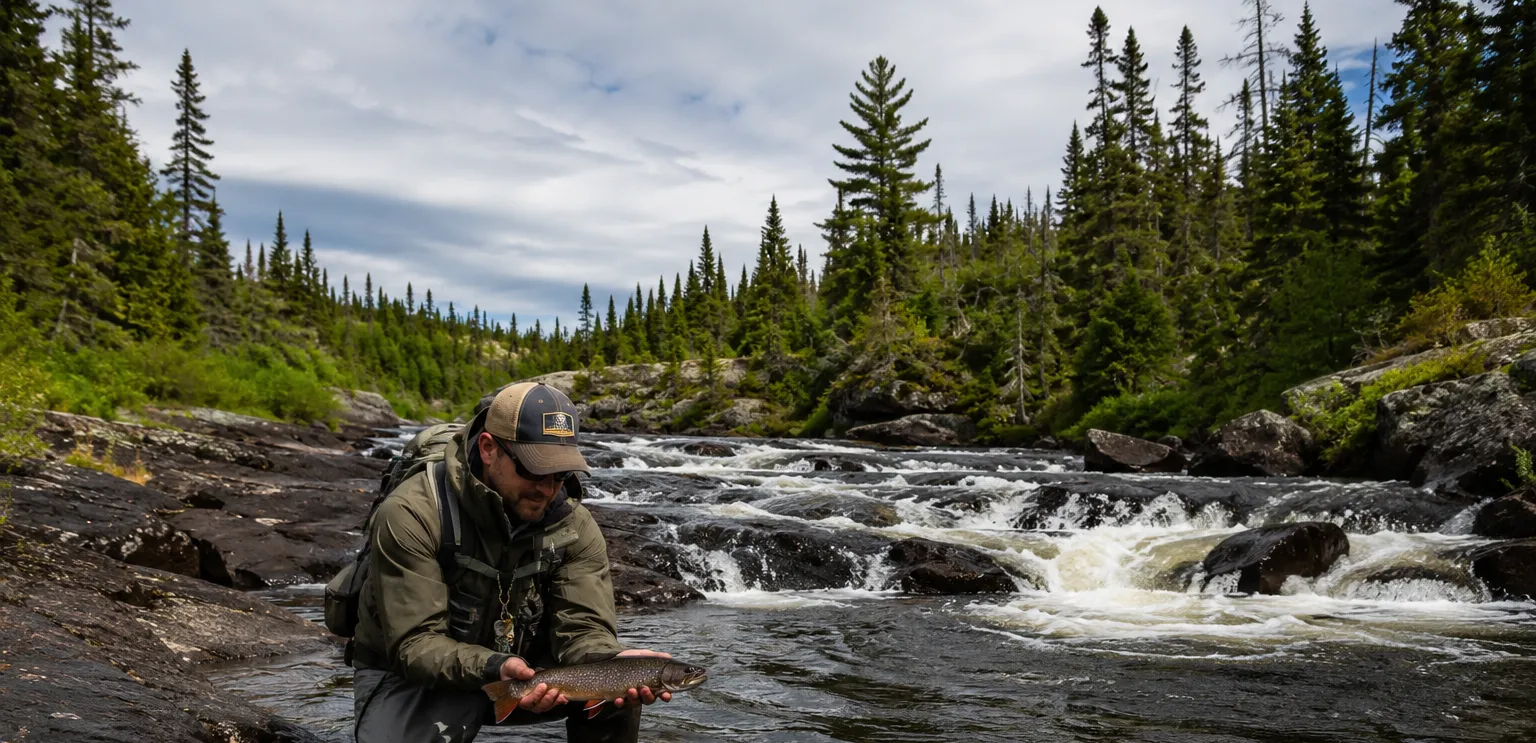
If you close your eyes and picture the perfect fish, there’s a good chance it looks like a wild brook trout. With their deep olive backs, brilliant orange bellies, and halos of bright blue and red, “specks” are the crown jewels of the northern wilderness. Finding them, however, is another story. Brook trout demand pristine, cold, well-oxygenated water. They don’t tolerate crowds, and they certainly don’t tolerate pollution. If you want to find trophy specks, you have to go where the roads end. You have to fly in.
1. The Magic of Fly-In Brook Trout
Why go through the effort of loading your gear into a floatplane just for brook trout? Because pressure is the enemy of big specks.
In drive-to waters, brookies are pressured, easiloy spooked, and often small. But when you touch down on a secluded backcountry lake or river system, you’re entering untouched territory. These fish grow old, heavy, and aggressive. They aren’t scrutinizing your lure, they’re racing to kill it before a larger predator does. The violence of a wilderness brook trout striking a spoon is something you have to feel to believe.
2. Where to Find Them
Unlike walleye or pike, brook trout are incredibly temperature-sensitive. They need cold water, and their location changes drastically depending on the season and the weather.
Top Spots to Target
- Moving Water: This is the golden rule. Look for rapids, waterfalls, and feeder creeks. Current delivers food and oxygen, and specks will stack up in the foam lines and eddies waiting for an easy meal.
- Spring Holes: In the heat of mid-summer, brook trout retreat to underwater springs where cold groundwater seeps into the lake. If you find a spring on your electronics, stay put, you’ve found the motherlode.
- Beaver Dams: Never pass up a beaver dam. The deep pools created just below or above these wooden structures are natural holding pens for big trout.
- Submerged Timber: Brookies love cover. A fallen cedar tree extending into deep, cold water is a prime ambush point.
3. The Right Gear for the Job
You don’t need a box full of complicated tackle to catch backcountry specks, but you do need the right tools. They are opportunistic feeders, but they are also easily spooked by heavy, clunky gear.
What to Pack
- Inline Spinners: A classic Mepps Aglia, Panther Martin, or Blue Fox Vibrax in gold, silver, or black is deadly. The flash and vibration trigger vicious reaction strikes in moving water.
- Spoons: Small Little Cleo, Weaver Grabber, or Williams Wabler spoons are perfect for casting long distances and fluttering down into deeper holes where the giants lurk.
- Jigs: Don't overlook a simple 1/8 oz marabou jig or a small curly-tail grub. Swimming these slowly past submerged timber is a surefire way to get your rod bent.
- Fly Fishing: If you fly fish, bring a 5-weight or 6-weight rod. Pack a mix of wooly buggers (olive or black), muddler minnows to imitate sculpins, and a few high-floating dry flies for those magical, glass-calm evening hatches.
Regardless of what you throw, remember to pack light fluorocarbon leaders. Brook trout have excellent vision, and the crystal-clear water of fly-in lakes leaves no room for sloppy presentations. Stick to 4- to 6-pound test for your leader material.
4. Mind Your Approach
Wild brook trout aren't rocket scientists, but they are incredibly wary of predators. In crystal-clear backcountry water, if you can see them, they saw you ten minutes ago.
The biggest mistake first-timers make is stomping up to the edge of a pool or banging around in the aluminum boat before making a cast. You need to treat specks like you're hunting.
1 Cast from a Distance: Keep the boat well back from the structure or current seam you want to fish. Make long casts to avoid spooking the school.
2 Watch Your Shadow: Never let your shadow fall across the water you are trying to fish. It's an instant alarm bell that sends trout scurrying for cover.
3 Stay Low: If you're wading a feeder creek or fishing from shore, keep a low profile. Use the natural cover of boulders and brush to hide your silhouette.
5. Timing Your Trip
When should you book your adventure? That depends on how you want to fish.
- Spring: Right after ice-out, specks are cruising the shallow shorelines. The water is cold everywhere, meaning the fish are accessible, aggressive, and hungry.
- Summer: You’ll need to fish deeper or focus strictly on fast-moving water and spring holes. This requires more effort, but the fish are heavily concentrated.
- Fall: As the water cools, brookies prepare to spawn. They return to the shallows, and the males develop their vibrant spawning colors. It’s arguably the best time for a trophy photo.
Final Word:
There is a specific kind of quiet that only exists on a remote trout lake. It’s the silence that settles in after the floatplane leaves, broken only by the rush of a distant rapids or the sudden splash of a rising fish. Holding a heavy, wild brook trout in your hands, its colors glowing in the northern sun, is an experience that changes an angler forever. Whether you’re casting a spinner into a foaming eddy or stripping a streamer past a beaver lodge, chasing specks in the backcountry is an adventure that belongs on every fisherman’s bucket list. The pristine water, the unmatched solitude, and the thrill of the strike… that’s what you’ll remember. So stop dreaming, and start planning.
Search Blog
- What Fishing Pressure Looks Like on Road Access Lakes vs Fly-In Lakes August 01, 2026
- Picaridin vs DEET July 25, 2026
- Wildfire impact - maps and resources July 17, 2026
- Trophy Pike: How to Find and Land a Northern Over 40 Inches June 06, 2026
- The Best Bug-Protection Plan for Wilderness Fishing April 18, 2026
- Brook Trout in the Backcountry: Chasing Specks on Fly-In Waters January 03, 2026
- What Your Outfitter Wishes You Knew Before You Arrived December 13, 2025
- Shore Lunch: The Best Meal You Will Ever Eat November 29, 2025
- How to Catch 100 Walleye in a Day November 22, 2025
- How to Book a Return Trip Before You Leave Camp November 14, 2025
- Planning a Budget-friendly Fly-in Trip Without Cutting Corners November 08, 2025
- Floatplane 101: What It's Like to Fly Into the Bush for the First Time October 25, 2025
- How to Quickly Locate Fish on a Remote Lake October 11, 2025
- Lodge vs Outpost Trips - the big picture September 27, 2025
- 8 Steps to Plan a Canadian Fly-In Fishing Trip September 06, 2025