What Your Outfitter Wishes You Knew Before You Arrived
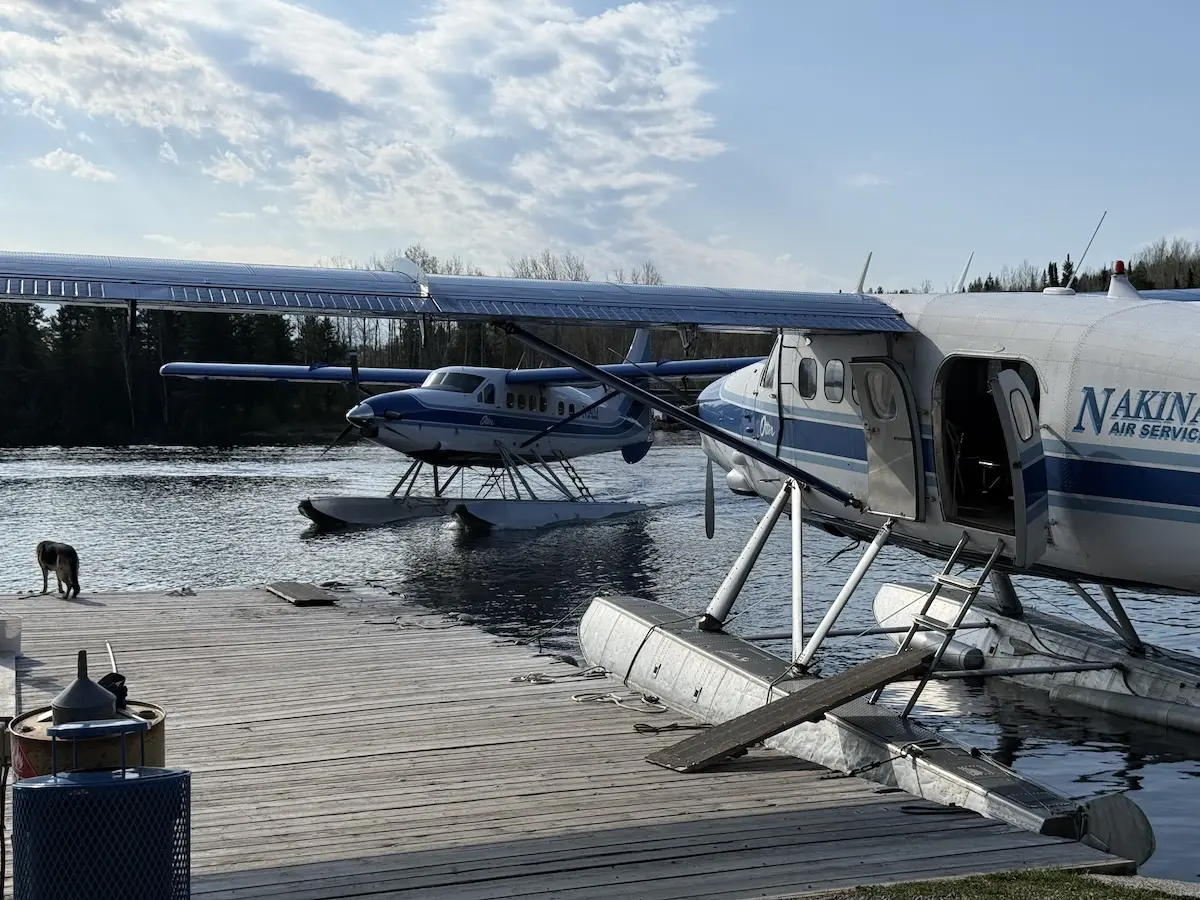
You’ve spent the winter staring at maps, organizing tackle trays, and counting down the days until you finally step onto that floatplane. Outfitters are doing the same, maintaining planes, fixing cabins, tuning outboards, and making sure the camps will be ready for your arrival. They want this to be the best week of your year. Period.
However, there is a “behind-the-scenes” reality to running a remote fly-in operation. When you are 50 or 100 miles from the nearest road, the small things become big things very quickly. To help you have the smoothest trip possible, there are a few things every outfitter wishes their guests understood before they pulled into the driveway at the airbase.
Think of this as a bit of “dock-side advice” from a friend who wants to see you catching fish, not stressing over logistics.
1. The Weight Limit Isn’t a Suggestion
This is the big one. Every year, groups show up with “just one extra cooler” or a few more cases of beer than they cleared with us. Here is the reality: we aren’t trying to be the fun police. It’s about physics, safety, and the law.
- Safety First: Floatplanes have a maximum takeoff weight. A DeHavilland Beaver or a Cessna 180 can only carry so much before it becomes unsafe to fly. We will not compromise your safety to get an extra flat of soda into camp.
- The Cost of Overloading: If your group is over the limit, we have to make an extra flight. With fuel prices, plane hours, and pilot time, that “extra” flight is a massive expense that gets passed to you.
- Pro Tip: Weigh your gear at home. Not just your bag, your tackle, your groceries, and your beverages. If you are over, start cutting. You don’t need multiple cast-iron pans at the cabin, and you can filter water from the lake.
2. We Need One “Point Person”
If you are traveling in a group of six or eight, things can get chaotic. We love talking to all of you, but for the sake of logistics, we need one person to be the “Captain.”
- Communication: When we send out updates on flight times, weather delays, or paperwork requirements, it needs to go to one person who ensures everyone else in the group sees it.
- The Paperwork: Having one person collect all the deposits, fishing license copies, and dietary needs makes the check-in process at the dock take ten minutes instead of an hour. The faster we check you in, the faster you’re in the air.
3. Your Food Logistics Matter More Than You Think
If you are heading to an outpost camp, you are the chef. We’ve seen groups bring enough food to feed an army for a month, only to leave half of it behind to rot because they didn’t fly it back out.
The Outfitter’s Grocery Advice:
- Repackage Everything: Take the bacon out of the box. Put the flour in a Ziploc bag. Cardboard takes up space and creates trash that we eventually have to deal with.
- Plan for Fish: You’re going on a fishing trip! Don’t pack seven nights of heavy steak dinners. Plan on eating fresh walleye. It lightens your load and it’s the best meal you’ll have all year.
- Freeze Your Meats: Use your frozen steaks or gallon jugs of water as your “ice” in the cooler. It keeps things cold longer and saves you from carrying 40 lbs of dead weight in actual ice bags.
4. Be Honest About Your Experience
If you’ve never run a tiller-handle outboard motor or read a depth finder, tell us. There is no shame in it. We would much rather spend a few minutes on the dock teaching you how to properly start a motor or clear a flooded engine than have you stranded on a reef five miles from camp.
The same goes for the lake. If you are feeling overwhelmed by 5,000 acres of water, ask for a “starting spot.” We talk to the groups coming out every week; we know where the fish were yesterday. We want you to catch fish because happy guests come back.
5. Respect the “Remote Reality”
Remote camps are a marvel of engineering, but they aren’t the Hilton. Things break. A solar panel might act up, a water pump might lose prime, or a screen door might catch a gust of wind.
- Patience is Key: If something goes wrong, let us know via the radio or satellite device. We will fix it as fast as humanly possible, but “fast” in the wilderness depends on plane availability and weather.
- Weather is the Boss: This is the hardest part for guests to hear. If there is fog, heavy wind, or thunderstorms, the planes don’t fly. We hate delays as much as you do, it wrecks our entire schedule, but safety is paramount and we will never “push it” when it comes to the weather. Have a deck of cards and a good book ready for the dock.
6. Conservation is Our Livelihood
We see these lakes as a precious resource. When we ask you to follow slot limits or practice catch-and-release on trophy pike, it’s not because we want to limit your fun. It’s because we want your grandkids to catch the same caliber of fish you’re catching today.
Handle fish with care. Keep them in the water. Use barbless hooks if you can. A dead 40-inch pike is a tragedy for a small lake; a released one is a memory for the next angler. We appreciate guests who treat the fish with the respect they deserve.
7. The “Day Zero” Strategy
If your flight is at 7:00 AM on Saturday, don’t drive into town at 6:45 AM. The most relaxed groups, the ones who have the best trips, are the ones who arrive in the base town the night before.
Get a hotel. Have a nice dinner. Double-check your gear. When you show up at the airbase refreshed and ready, the whole process is a breeze. It also gives us a chance to chat with you the evening before about the latest fishing reports and lake conditions.
Final Thoughts
At the end of the day, we are in the business of making dreams come true. We love seeing the look on a kid’s face when they experience a floatplane for the first time, or the exhaustion on a group of buddies who spent ten hours on the water. We are partners in your adventure. When you follow these “unwritten rules,” you aren’t just making our lives easier, you’re ensuring that your focus stays exactly where it should be: on the next strike.
Final Thought:
The North is a wild, beautiful, and sometimes unforgiving place. But when the logistics are dialed in and the gear is right, it offers a peace you can’t find anywhere else. The sound of the floatplane fading into the distance, leaving you on your personal lake with nothing but the call of a loon and a lake full of hungry walleye… that’s the goal. Don’t let poor planning get in the way of that moment. Start your prep now, talk to your group, and get ready for the trip of a lifetime. We’ll see you at the dock.
Search Blog
- Wildfire impact - maps and resources
- The Best Bug-Protection Plan for Wilderness Fishing
- Brook Trout in the Backcountry: Chasing Specks on Fly-In Waters
- What Your Outfitter Wishes You Knew Before You Arrived
- Shore Lunch: The Best Meal You Will Ever Eat
- How to Catch 100 Walleye in a Day
- How to Book a Return Trip Before You Leave Camp
- Planning a Budget-friendly Fly-in Trip Without Cutting Corners
- Floatplane 101: What It's Like to Fly Into the Bush for the First Time
- How to Quickly Locate Fish on a Remote Lake
- Lodge vs Outpost Trips - the big picture
- 8 Steps to Plan a Canadian Fly-In Fishing Trip