Picaridin vs DEET
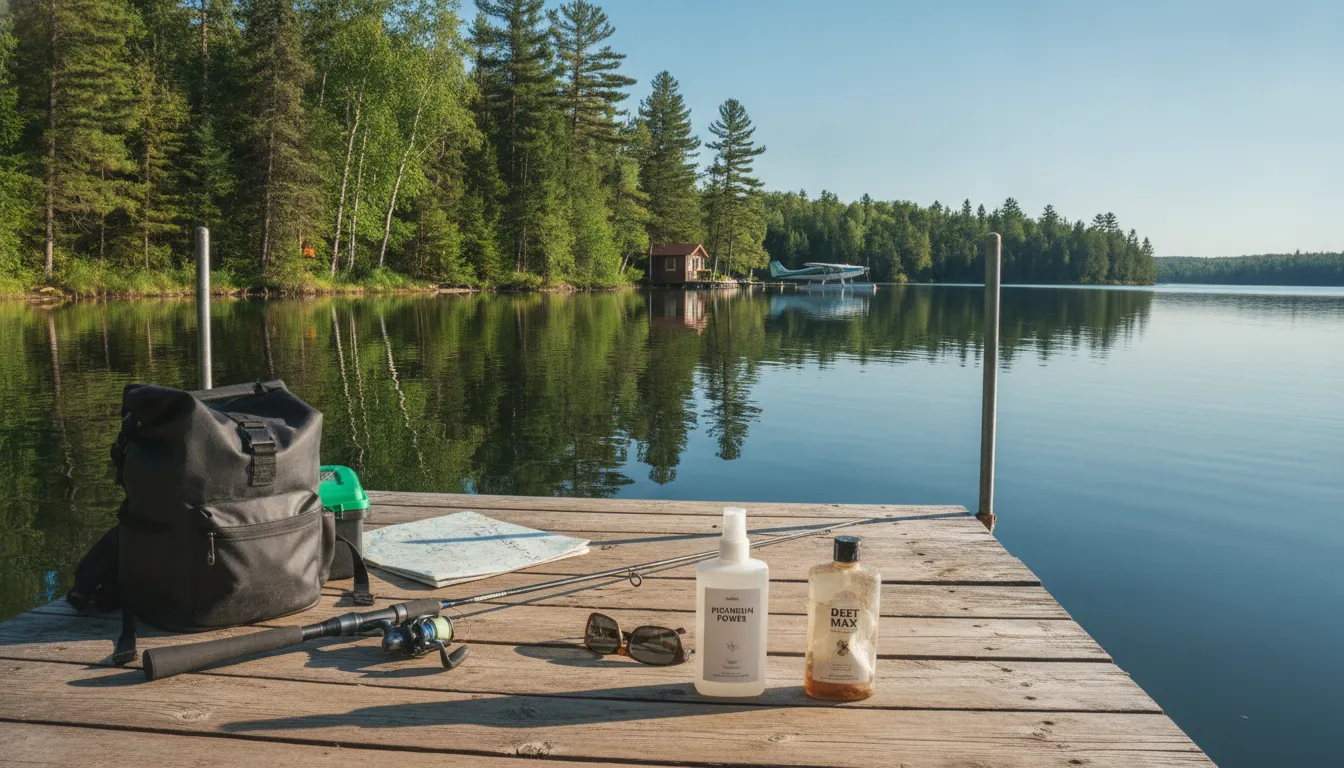
If you've ever stood on a remote dock in Northern Ontario during the last week of June, you know the sound. It’s a low, vibrating hum that seems to come from the trees themselves. The "Canadian Air Force" is real, and if you aren't prepared, the mosquitoes and black flies can turn a dream trip into a test of endurance. For decades, the go-to solution was simple: find the highest concentration of DEET possible and apply it until your skin felt like it was melting. But things have changed. There’s a better way to protect yourself without the oily mess, chemical smell, and skin reactions.
When you’re packing your gear for a Canada fly-in fishing adventure, every ounce matters, and every piece of equipment is an investment. That’s why the debate between Picaridin and DEET is so important for anglers. While both will keep the bugs at bay, one of them is clearly superior for the life we lead on the water. Here is the breakdown of why Picaridin has officially taken the trophy in the bug protection game.
1. The "Melt" Factor: Protecting Your Gear
This is the single biggest reason why Picaridin is the winner for fishermen. DEET is a powerful solvent. If you’ve ever noticed the grip on your favorite spinning rod getting tacky, or seen the screen of your expensive handheld GPS go cloudy, you’ve seen DEET at work. It eats through plastic, rubber, and synthetic fabrics like they’re nothing. I’ve seen guys ruin high-end fly lines and $300 rain shells just by having a little overspray on their hands.
Picaridin is a completely different animal. It’s a synthetic version of a compound found in pepper plants, and it is totally inert when it comes to plastics and coatings. You can spray it on your hands, grab your graphite rod, adjust your polarized sunglasses, and jump into your rain gear without a single worry. In a remote outpost camp, your gear is your lifeline. Why carry a repellent that’s trying to dissolve your equipment?
2. The Comfort Level: Greasiness and Odor
We’ve all been there: it’s 85 degrees, the humidity is high, and you’re covered in a layer of DEET that feels like 10-weight motor oil. It’s sticky, it traps heat, and it smells like a chemical factory. When you’re out on the lake for twelve hours, that feeling becomes unbearable. Picaridin is different. It’s remarkably lightweight and non-greasy. Once it dries-which happens almost instantly-you won't even know it's there.
Then there’s the scent. DEET has that unmistakable, pungent odor that seems to stay in the cabin long after you’ve left. Picaridin is virtually odorless. This isn't just about your nose, either. Many anglers believe that the chemical scent of DEET can transfer to your lures and baits, turning off picky walleye or trophy pike. While the science is still out on that, why take the risk? Picaridin lets you stay stealthy and comfortable.
3. Effectiveness Against the "North Woods" Crowd
You aren't just fighting mosquitoes up here. You’re dealing with black flies, stable flies, no-see-ums, and ticks that can find the smallest gap in your armor. For a long time, DEET was the only thing that worked. However, studies have shown that a 20 percent concentration of Picaridin is just as effective-and in certain cases, more effective-than high concentrations of DEET.
Picaridin is particularly good at blocking the sensors that black flies use to find you. If you've ever had those nasty little welts behind your ears or along your hairline, you know how aggressive Canadian black flies can be. Picaridin provides a solid 8 hours of protection, meaning you can spray down a couple times a day to stay protected until you’re back at the cabin for the night.
4. Skin Sensitivity and Safety
If you have sensitive skin, DEET can be a nightmare. It’s known to cause rashes, redness, and that lovely "stinging" sensation if you get even a tiny bit in your eyes or on a fresh sunburn. Picaridin is much gentler. It’s been used in Europe and Australia for decades before it gained popularity in North America, and it has a fantastic safety profile. It doesn't absorb into the bloodstream the way DEET does, making it a much better choice for kids and anyone who doesn't want to spend their week itching from chemical irritation rather than bug bites.
5. How to Choose the Right Product
When you’re shopping for your trip, don't just grab the first bottle you see. You want to look for specific concentrations to ensure you’re getting the protection you need for a remote wilderness setting. Here is what I recommend for your packing list:
- Look for 20% Picaridin: This is the "sweet spot" for long-lasting protection. Lower concentrations won't last through a full day of fishing.
- Choose the Spray or Lotion: The lotion actually tends to last a bit longer and provides more even coverage, but the pump spray is easier to apply over your clothes.
- Check the Brand: Brands like Sawyer, Ranger Ready, and Natrapel are the leaders in Picaridin technology. They’ve perfected the formula so it isn't watered down.
- Avoid Aerosols if Possible: Pump sprays are more concentrated and you get more "active" product for the weight, which is key when you’re watching weight limits for the fight.
6. Application Tips for Maximum Protection
Even the best repellent won't work if you don't use it right. When you’re heading out on the water, follow these steps to stay bite-free:
- Don't Forget the Gaps: Bugs love to find the space between your socks and your pants, or your cuffs and your gloves. Apply Picaridin to these "entry points" specifically.
- Apply to Clothing: While Picaridin is great on skin, it also works well on your hat and shirt. Since it won't damage the fabric, don't be afraid to give your gear a light misting.
- Layer with Permethrin: If you’re going into a high-density tick or black fly area, treat your outer clothes with Permethrin before you leave home. Then use Picaridin on your skin. This "two-layer" approach is the gold standard for wilderness protection.
7. The Final Verdict
Is DEET dead? Not quite. It’s still widely available and it still works. But if you are a serious angler heading to a fly-in camp, Picaridin is the superior tool for the job. It protects your skin, it doesn't smell, and most importantly, it won't melt your expensive fishing gear. It’s the modern solution for an age-old problem.
When you’re sitting on the porch of your outpost cabin, watching the sun dip below the pines and listening to the loons, the last thing you want to be thinking about is how much your skin stings or how sticky your hands feel. You want to be thinking about that 28-inch walleye you caught in the afternoon and the one you’re going to catch tomorrow morning.
Make the switch this season. Pick up a few bottles of 20 percent Picaridin, pack them in your tackle bag, and leave the oily, gear-melting chemicals behind. Your rods, your rain gear, and your skin will thank you. The bugs are waiting-make sure you’re ready for them so you can focus on the fishing.
Search Blog
- Picaridin vs DEET July 25, 2026
- Wildfire impact - maps and resources July 17, 2026
- The Best Bug-Protection Plan for Wilderness Fishing April 18, 2026
- Brook Trout in the Backcountry: Chasing Specks on Fly-In Waters January 03, 2026
- What Your Outfitter Wishes You Knew Before You Arrived December 13, 2025
- Shore Lunch: The Best Meal You Will Ever Eat November 29, 2025
- How to Catch 100 Walleye in a Day November 22, 2025
- How to Book a Return Trip Before You Leave Camp November 14, 2025
- Planning a Budget-friendly Fly-in Trip Without Cutting Corners November 08, 2025
- Floatplane 101: What It's Like to Fly Into the Bush for the First Time October 25, 2025
- How to Quickly Locate Fish on a Remote Lake October 11, 2025
- Lodge vs Outpost Trips - the big picture September 27, 2025
- 8 Steps to Plan a Canadian Fly-In Fishing Trip September 06, 2025